Exploring the art of viticulture
Mastering the vine lifecycle
Beneath the rolling hills of the vineyard, complex chemical and biological processes begin long before harvest. The interaction between vine root systems and mineral-rich subsoil influences the structural potential of the final vintage. Winemakers monitor these vine-soil interactions closely to assess the character and longevity of the coming yield.
Key vineyard factors defining terroir character
Grape varietals shape the primary flavor profile, while vineyard soil composition influences wine structure and expression. Limestone-rich soils can be associated with high acidity and tension, while clay-rich soils retain moisture and may support fuller, fleshy red wine styles.
Natural yeast populations found on grape skins can initiate spontaneous fermentation and contribute to distinctive aromatic profiles. Vineyard microbial biodiversity can therefore contribute to the local expression of a specific vineyard plot.

Climate patterns shaping grape quality
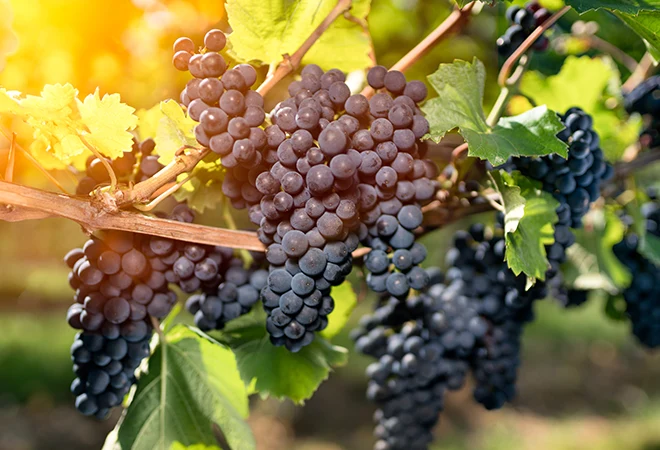
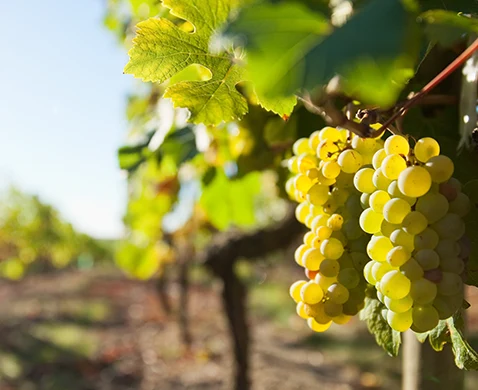
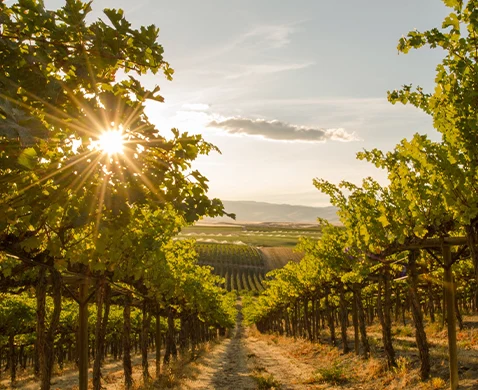
Diurnal temperature shifts can support gradual grape ripening while helping preserve acidity. Cool nights help retain freshness, while warm days promote sugar accumulation that contributes to alcohol potential and body.
Mineral composition of vineyard soils
Vines growing through rocky schist or granite layers may face limited water availability, which can reduce yields and concentrate berries. This lower-yield growing environment can contribute to greater phenolic concentration and deeper wine color.
Polyphenols found in grape skins
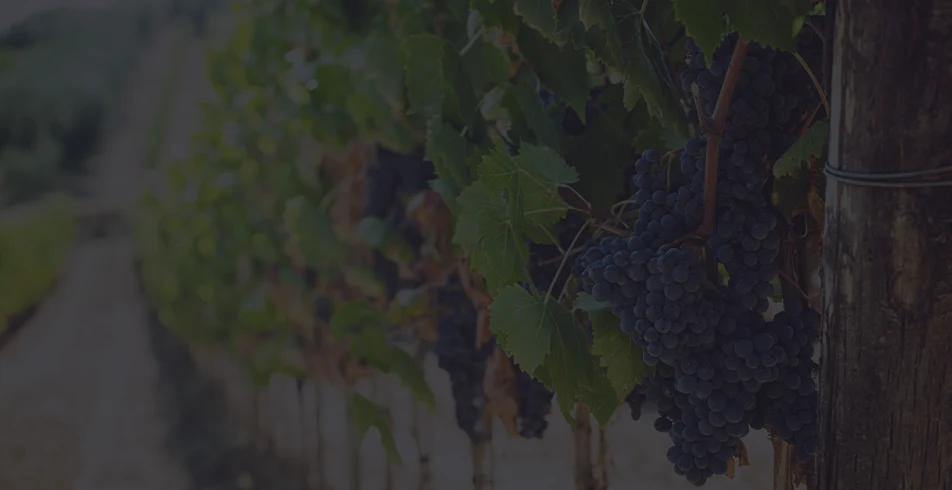
Tannins extracted during maceration provide structure that supports wine aging. Thick-skinned varieties release phenolic compounds during extended skin contact, requiring careful maceration to build a balanced mouthfeel without excessive bitterness in young wine.
The science of wine blending processes
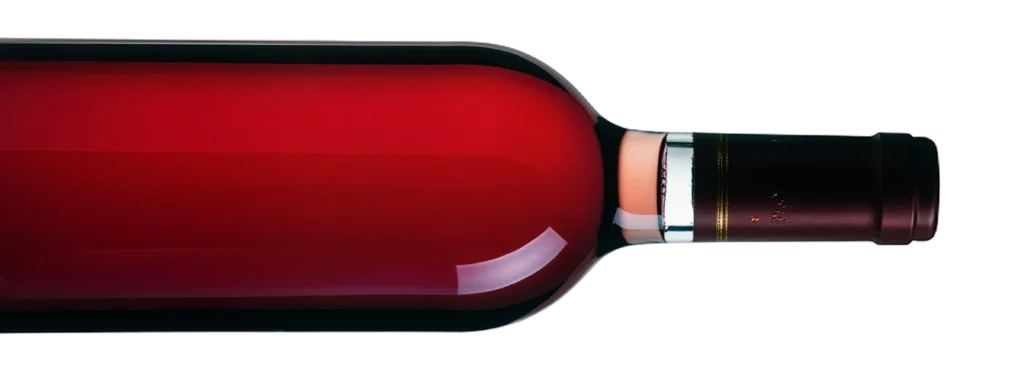
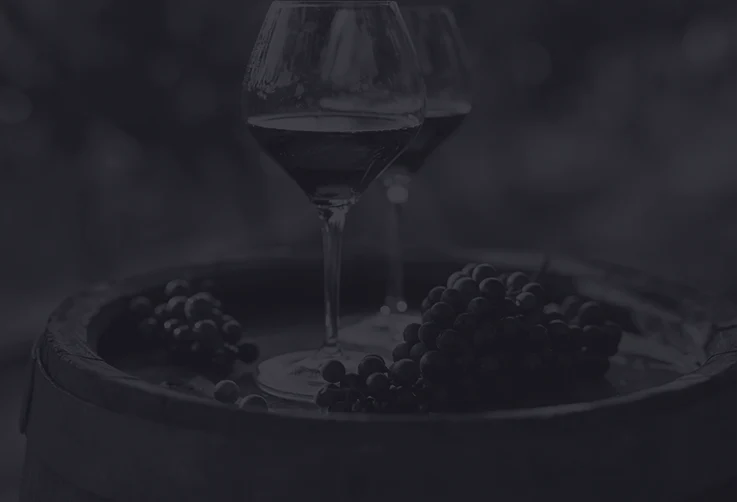
Wine blenders combine grape varietals to balance acidity, sweetness and tannin structure. A small percentage of Merlot can soften the firm tannins of Cabernet Sauvignon, creating a more seamless and approachable blend.
Specialized cellar equipment for winemaking
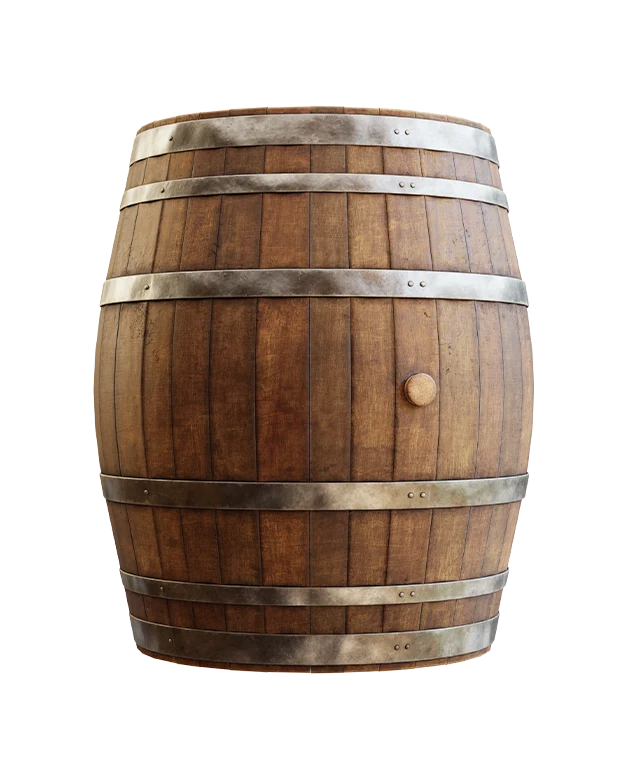
French oak barrels can contribute vanilla and spice notes while allowing controlled micro-oxygenation through the wood grain. This gradual oxygen exposure can soften firm textures during cellar aging. Conversely, stainless steel tanks help preserve crisp primary fruit characteristics in white wines intended for early consumption. Winemakers select fermentation and aging vessels according to the desired wine style.